 kapstoneng.com – Regional News & Featured Stories
 kapstoneng.com – Regional News & Featured Stories
Cervical cancer, a malignancy originating in the cervix, the lower part of the uterus connecting to the vagina, is primarily triggered by persistent human papillomavirus (HPV) infections, a common sexually transmitted infection. While most HPV infections resolve naturally, high-risk strains can lead to cervical cancer. Early detection is crucial for effective treatment. However, the slow progression of this cancer can make some early signs easy to miss.
Here are five early signs of cervical cancer that can often go unnoticed:
One of the earliest indicators of cervical cancer is abnormal vaginal bleeding, which can manifest as:
Many women experience irregular bleeding due to various factors, leading them to dismiss this symptom as hormonal changes or infections. If you observe bleeding that deviates from your normal pattern, seeking medical evaluation is crucial, even if cancer is not suspected.

While a small amount of vaginal discharge is normal, particularly around ovulation, alterations warrant attention. Typically, vaginal discharge varies in amount and texture during the menstrual cycle. Cervical cancer can cause discharge that is:
This discharge may occur between periods or after menopause. Often mistaken for infection or irritation, it's vital to have it examined by a healthcare provider.
Pain or discomfort during sex, while attributable to various conditions like infections or hormonal shifts, can also signal early cervical cancer. This pain may present as:
Due to its sensitive nature, many women hesitate to discuss this symptom. However, persistent pain during intercourse is abnormal and necessitates evaluation by a healthcare professional to rule out serious causes, including cervical cancer.
Mild lower back or pelvic pain often stems from common issues like muscle strain or menstrual cramps. However, persistent or unexplained pain in these areas, particularly when accompanied by abnormal bleeding or discharge, may indicate early cervical cancer.
The pain is often described as a dull ache or pressure between the hip bones or in the lower abdomen. Commonly overlooked or attributed to less serious causes, persistent pelvic or lower back pain should be evaluated by a healthcare provider if it doesn't improve with home remedies.
Early cervical cancer can impact adjacent tissues, including the bladder and urinary tract, leading to symptoms such as:
These symptoms are often mistaken for urinary tract infections (UTIs), common among women. If urinary symptoms persist despite UTI treatment, further evaluation is necessary to rule out cervical cancer.
Awareness and regular health checkups are essential for early detection. The HPV vaccine provides protection against HPV types that cause cervical, vaginal, vulvar, penile, anal, and oropharyngeal cancers, as well as genital warts. Women can receive the vaccine as early as 11 or 12 years old, up to the age of 45 (consult your doctor).
Newer articles

 FIFA Club World Cup 2025: Group Stage Delivers Upsets, Messi Magic, and Heatwave Havoc
 Green Aims for More Runs After Crucial Fifty at Number 3 Spot
 Mirabai Chanu: Olympic Medalist Reveals Relentless Focus on Weightlifting, Even During Family Time
 Samsung Galaxy A35 5G and A55 5G: Official Pricing and Availability Announced
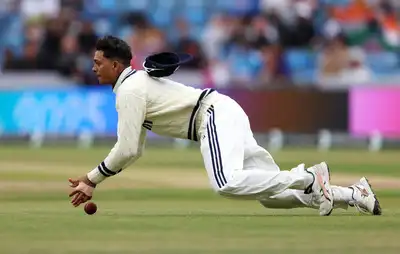 India's Fielding Woes Blasted by Ex-Selector After First Test Loss to England
 Rishabh Pant's "Revolutionary" Batting Style Reshaping Cricket, Claims Greg Chappell
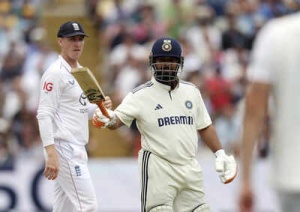 IND vs ENG, 2nd Test: Rishabh Pant's Witty Retort Silences Harry Brook's Sledging Attempt
Or
India vs England, 2nd Test: Rishabh Pant's Calm Reply Defuses Harry Brook's Sledging Tactics
IND vs ENG, 2nd Test: Rishabh Pant's Witty Retort Silences Harry Brook's Sledging Attempt
Or
India vs England, 2nd Test: Rishabh Pant's Calm Reply Defuses Harry Brook's Sledging Tactics
 India's Collapse at Headingley: Gambhir Defends Lower Order Amidst Test Defeat
 Najmul Hossain Resigns as Bangladesh Test Captain Following Sri Lanka Defeat
 Jaiswal Nears Milestone: India Opener Eyes Gavaskar's 49-Year-Old Test Record at Edgbaston