 kapstoneng.com – Regional News & Featured Stories
 kapstoneng.com – Regional News & Featured Stories
Living a long and good life is not just about fortune or genetics; it is not luck but a strategy in life. According to longevity experts, a long and healthy life is the continuous pursuit of the habits that are practiced daily over decades. One such renowned longevity doctor emphasizes the lives of people who are thriving well in their 90s, explaining how they don't just rely on luck or chance, they rely on strategy.
These individuals share common lifestyle patterns that protect their minds, bodies and spirits. Let us see what Dr. Vassily Eliopoulos, MD and a longevity expert, has to say in all of this.

By now, scientists, health experts and yoga practitioners all have agreed upon the same thing and that is daily walk. Doesn’t matter 30 minutes or 10, what matters is movement. People who live past 90, according to Dr. Vassily, don't just exercise, they naturally move throughout the day. From walking to shops, to doing daily chores, their bodies stay active without needing a gym membership. Walk is a low-intensity, high-frequency workout, that causes no exhaustion or burnout, all day long, instead keeps one more up and about daily.
Most long-lived populations are found in Japan, due to their clean lifestyle and diet. Most of them practice an eating technique called Hara Hachi Bu, the Japanese practice of eating until 80% full. Hara Hachi Bu promotes awareness of hunger cues and encourages people to eat more slowly and more consciously. This simple yet powerful eating technique is one of the major reasons for Okinawan people to lead such long and healthy life. According to Dr. Vassily, less overeating equals less oxidative stress and better blood sugar.
Prioritise whole and plant-rich diets. People who live past 90 consume a plant-based diet that is full of colour, fiber, and nutrients. Their diets are high in legumes, greens, whole grains, nuts and olive oil. In their diet, meat is rare, sugar is minimal and fiber is high. To avoid overindulging, they eat in portions and at short intervals of time.
Dr. Vassily says, Belonging equals medicine. Social engagement also brings joy, laughter and a sense of belonging, all of which contribute to lower stress levels. In many long-living communities, social ties are not optional; they are deeply embedded into the daily lives, often across generations. A network, or a connection with somebody, leads to less loneliness and isolation, two factors for early cognitive decline.
Gratitude, walking, meditating or simply unplugging themselves from stressful situations helps keep stress at bay. People who live long have mastered this art of slowing down, suggesting that they have chosen life’s rhythm over rush. Spending time in nature, among the beautiful world god has created, is a common part of their day. Instead of pushing life at a full speed, they intentionally create pauses, take moment to breathe and reflect.
Newer articles
Older articles

 FIFA Club World Cup 2025: Group Stage Delivers Upsets, Messi Magic, and Heatwave Havoc
 Green Aims for More Runs After Crucial Fifty at Number 3 Spot
 Mirabai Chanu: Olympic Medalist Reveals Relentless Focus on Weightlifting, Even During Family Time
 Samsung Galaxy A35 5G and A55 5G: Official Pricing and Availability Announced
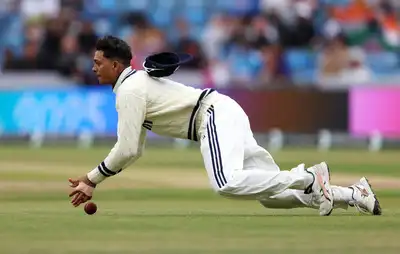 India's Fielding Woes Blasted by Ex-Selector After First Test Loss to England
 Rishabh Pant's "Revolutionary" Batting Style Reshaping Cricket, Claims Greg Chappell
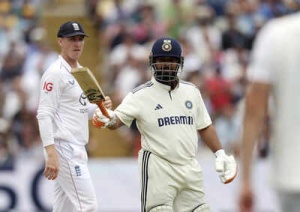 IND vs ENG, 2nd Test: Rishabh Pant's Witty Retort Silences Harry Brook's Sledging Attempt
Or
India vs England, 2nd Test: Rishabh Pant's Calm Reply Defuses Harry Brook's Sledging Tactics
IND vs ENG, 2nd Test: Rishabh Pant's Witty Retort Silences Harry Brook's Sledging Attempt
Or
India vs England, 2nd Test: Rishabh Pant's Calm Reply Defuses Harry Brook's Sledging Tactics
 India's Collapse at Headingley: Gambhir Defends Lower Order Amidst Test Defeat
 Najmul Hossain Resigns as Bangladesh Test Captain Following Sri Lanka Defeat
 Jaiswal Nears Milestone: India Opener Eyes Gavaskar's 49-Year-Old Test Record at Edgbaston